What Horizon Worlds Teaches Creators About Platform Pivots (And How to Survive Them)
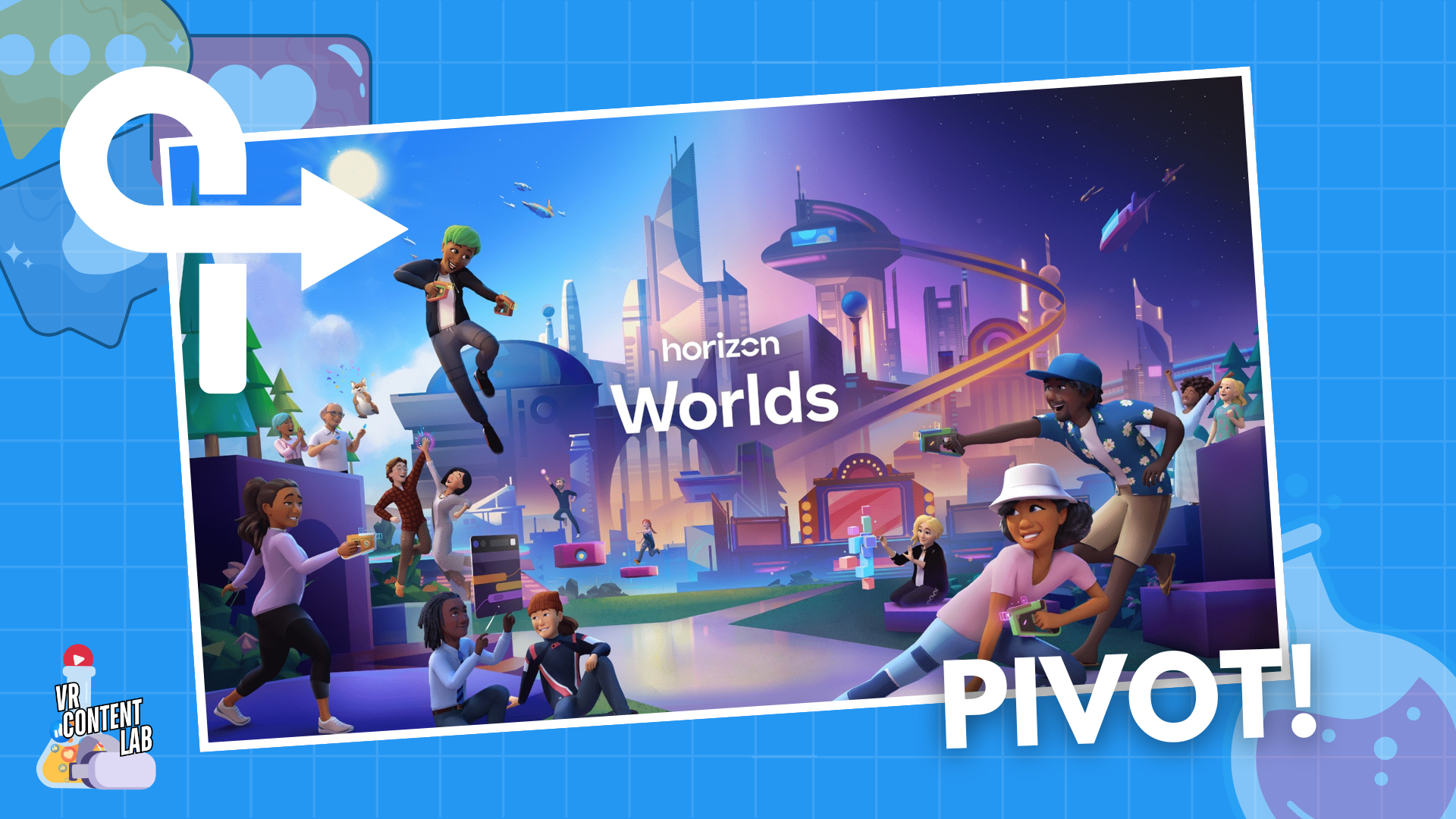
Meta announced earlier this month that Horizon Worlds would be removed from the Quest store and shut down in VR by mid-June. The platform would continue on mobile and web only.
Within about a day, after heavy community backlash, Meta reversed course. Horizon Worlds would stay available in VR "for the foreseeable future."
Horizon Worlds creators who built entire channels around the platform just learned a brutal lesson about platform dependency. They woke up to an email saying their entire content strategy was getting killed in three months, celebrated when Meta changed its mind, then realized it doesn't actually matter, the platform they built on is fundamentally changed either way.
But this isn't just about Horizon Worlds. Every creator will face a moment when their platform, game, or niche shifts under them. The algorithm changes. The platform dies. The game loses popularity. Your content strategy becomes obsolete through no fault of your own.
Here's how to pivot without burning everything down.
Why Platform Dependency is Killing You
You don't own your follower list on any platform. You don't own algorithm access to those followers. You don't own the platform's priorities or roadmap. You don't control whether your niche game stays popular or if the platform even stays alive.
You're building a house on rented land. The landlord can change the rules, raise the rent, or evict you with 24 hours notice. And you have no recourse.
Horizon Worlds creators learned this the hard way. But they're not alone.
Mixer streamers learned it when Microsoft shut the platform down with minimal notice. Vine creators learned it when that platform died entirely. TikTok creators are learning it right now with platform uncertainty (especially those of us in the US). Twitch streamers learned it when the platform’s sudden bans and DMCA crackdowns wiped out entire channels overnight.
Every creator who builds exclusively on one platform, one game, or one niche is one corporate decision away from watching their entire strategy collapse.
I'm not saying this to scare you. I'm saying it because pretending platform dependency isn't a risk doesn't make you safer, it just makes you unprepared when the shift inevitably happens.
My Pivot from Flat Gaming to VR
I was streaming flat games on Twitch. Building an audience. Had regular viewers, mods, community. It was working(ish).
Then in 2020 I started experimenting with VR thanks to good ol’ Half Life Alyx.
I didn't really announce the pivot, at least not at first. I just started doing one VR stream per week alongside my existing flat gaming streams. Testing, learning how the setup works, figuring out how to make mixed reality work. Talking openly with my audience about what I was discovering and why I was excited about it.
One of my mods—someone who'd been part of my community from nearly the beginning—said they missed my flat content. Wondered when I'd go back to streaming the games they liked.
That comment made me second-guess everything. Should I switch back? Was I making a mistake alienating my core audience? This person had been there from early days. If I lost them, would everyone else leave too?
But I kept going. Increased VR streams. Started making VR-specific tutorials on YouTube instead of generic content creator how-tos. Eventually went all-in on VR content.
That mod left. Most of my original core audience is gone now. Some left when I pivoted because VR wasn't their interest. Others turned out to be toxic people I needed to lose anyway. Some left when I stopped streaming entirely to focus on other content formats.
Despite all that - my overall audience grew.
The people who found me for VR content stuck around. A new community formed around what I was actually creating, not what I used to create. Better alignment between what I wanted to make and what my audience wanted to watch.
Looking back, my only regret is that I should have pivoted sooner.
I was afraid of losing what I had. Couldn't see the future potential, only the present audience I might lose. That fear kept me stuck in flat gaming longer than necessary, delaying momentum I could have been building in VR.
I was also part of Stream Coach Academy at the time, which helped me realize VR wasn't just "another game to play"—it was strategic brand differentiation. There's a sea of flat gaming streamers. There were way fewer focused VR creators. That positioning mattered.
But I almost didn't make that shift over one person.
How to Actually Execute a Pivot
Start gradual, finish decisive. Don't announce "I'm quitting X and doing Y now!" and burn everything down overnight. Test first. I did one VR stream per week for months while maintaining flat content. That gave me time to learn the technical setup, build confidence, and figure out what actually worked.
But gradual doesn't mean forever. At some point you have to pick a direction and commit. Straddling two worlds indefinitely just means you're mediocre at both instead of excellent at one.
Talk about your journey openly. I talked about what I was learning in VR. Shared my excitement about mixed reality streaming. Explained why I was exploring this direction. My audience came along for the journey instead of feeling blindsided by a sudden change.
The ones who stuck around appreciated the transparency. The ones who left were always going to leave eventually anyway.
Expect to lose people and be okay with it. One person's preference doesn't define your entire strategy.
You will lose people when you pivot. That's not failure—that's natural audience turnover. The people who leave weren't the right audience for where you're going. The people who stay (and the new people who find you) are building a better-aligned community.
Look for brand differentiation, not just personal interest. Stream Coach Academy helped me see VR as strategic positioning, not just "I like VR games." The question wasn't "what do I want to play?" but "where can I build distinction in a crowded market?"
If you're a Horizon Worlds creator pivoting now, ask yourself: Does this make me more distinct or more generic? Pivoting to "general VR content" makes you one of thousands. Pivoting to "social VR world building tutorials" or "VRChat creator tools" keeps you distinct and serves a specific audience.
What to Build That Survives Platform Changes
I know it sounds old school, but build an email list so you actually own your audience. I had an email list from an old "How to Livestream VR" ebook I made years ago. (Use Mailchimp or similar). When I launched VR Content Lab, those were warm leads. They came with me from streaming to tutorials to courses because I owned that relationship, not a platform.
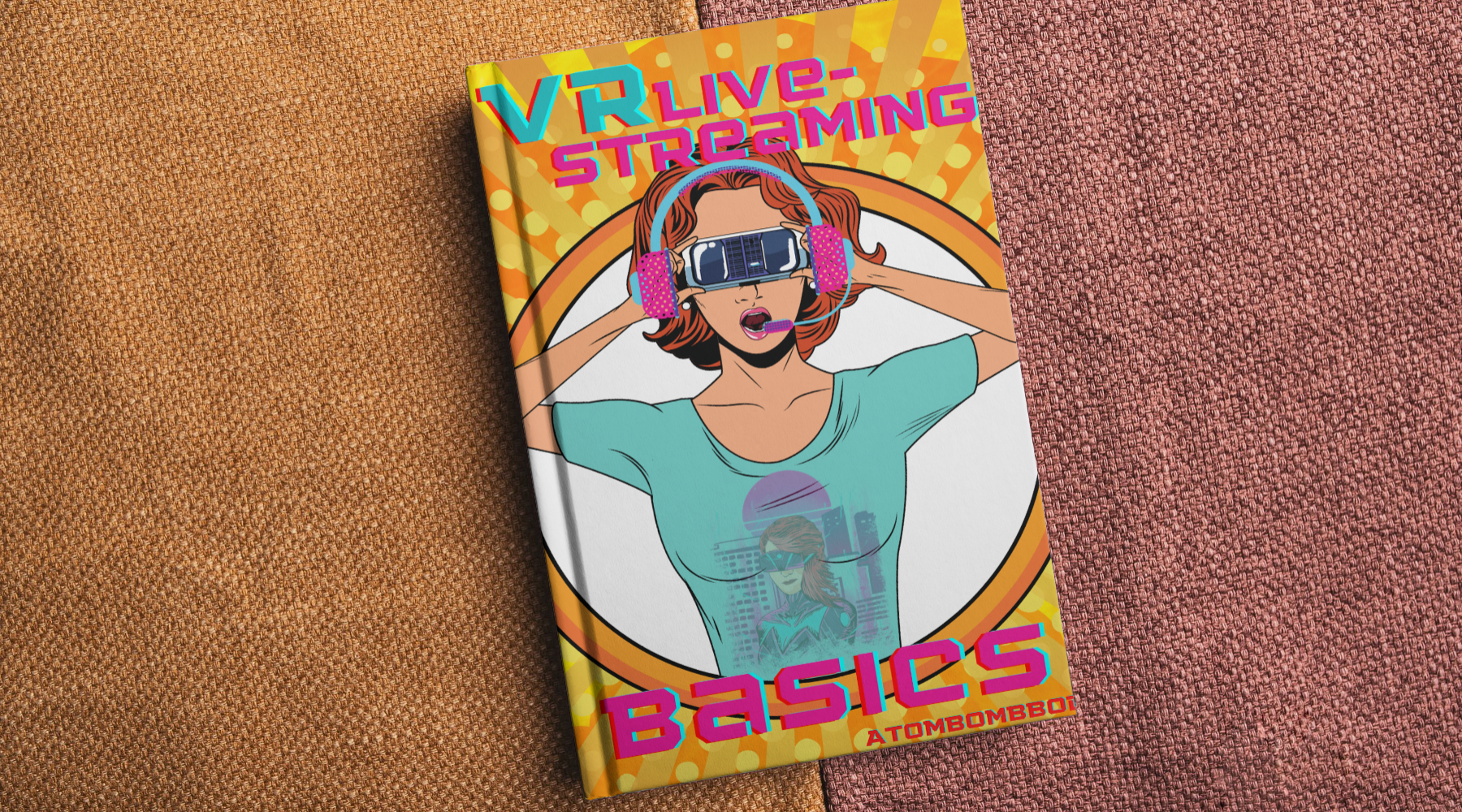
From back in 2020!
Building owned channels like email lists is part of the sustainable creator business model we teach in Module 5 of VR Content Lab, because platforms will always change but your email list moves with you.
Maintain cross-platform presence so you're not dependent on one landlord. I've pivoted platforms multiple times over the years. Started with modeling content (in my younger 20’s) on Instagram, moved to streaming on Twitch, shifted to YouTube tutorials, jumped on TikTok when it was getting popular, and now focus on YouTube Shorts and Instagram Reels for short-form content.
Platforms change. Algorithms shift. Features get deprioritized. If your entire business lives on one platform, you're one algorithm update away from irrelevance.
But cross-platform doesn't mean "be everywhere." It means don't put all your eggs in one basket that someone else controls.
Create community spaces you control. I'm in Discord servers with other creators. Those relationships persist regardless of what platform I'm using this month. Platform DMs disappear when you pivot or when platforms change. Discord conversations don't.
Make content that compounds, not content that disappears. My older VR tutorials still get Google Search traffic years after I published them. Platform-specific gameplay clips are only valuable while that platform is actively growing. One has long-term value. The other has a shelf life. The other was only valuable while the platform was hot.
Build the kind of content that survives platform shifts.
When to Pivot vs When to Hold
Pivot when your platform is clearly deprioritizing your content type. Meta moving Horizon to mobile-first isn't subtle. When platforms tell you their priorities have shifted, believe them. Don't hope they'll change their mind or that you're the exception.
Pivot when your niche is dying and you can see it in the data. Declining search interest. Fewer active users. Shrinking engagement. That's not a slump - that's a trend. The sooner you act on it, the more control you have over the transition.
Pivot when you've found better strategic positioning elsewhere. I didn't leave flat gaming because it was dying. I left because VR offered better differentiation for my brand. Sometimes the reason to pivot isn't "this is broken" but "that is better."
Pivot when you're bored and it's affecting your content quality. If you're forcing yourself to create content you don't care about anymore, your audience feels it. Better to pivot to something you're excited about than slowly kill your channel with mediocre content in a niche you've outgrown.

Hold when you're just frustrated with one bad week or month. Algorithms have bad days. Platforms change and then change back. One underperforming video doesn't mean your entire strategy is broken. Don't panic-pivot based on short-term noise.
Hold when you haven't tested the alternative yet. I did VR streams for months before going all-in. Test before you commit. Make sure the grass is actually greener before you burn your current lawn.
Hold when you're reacting to one person's complaint. I almost quit VR because one mod missed my flat content. That would have been a disaster. One person's feedback isn't data. Patterns are data.
Hold when the platform is still growing your business and you just want it to grow faster. Impatience isn't strategy. If what you're doing is working, just slower than you'd like, that's not a reason to pivot—it's a reason to optimize.
The Horizon Worlds reversal is actually the worst possible outcome for creators. Not dead enough to force a hard pivot. Not alive enough to build on confidently. Just uncertainty.
Don't wait for platforms to put you in that position. Make strategic decisions before platforms force them on you.
An Uncomfortable Truth About Pivots
Most creators stay too long.
They see the signs. Algorithm changes. Platform deprioritization. Declining engagement. Shrinking opportunities. But they're afraid to lose what they've built, so they hope things will get better. They wait for one more update, one more algorithm change, one more chance for the platform to prioritize them again.
I was afraid of losing my flat gaming audience. I saw VR as the better strategic move months before I committed to it. That fear cost me momentum I could have been building in VR.
Platforms will change regardless of what you do. The only question is whether you pivot on your timeline or get forced to pivot reactively on theirs.
Meta tried to shut down Horizon Worlds, reversed course, but deprioritized it anyway. That's not stability—that's a warning. Creators who act on that warning now have time to build something sustainable. Creators who wait and hope are possibly setting themselves up for another round of panic when Meta makes the next shift.
You can't control platforms. You can only control how quickly you adapt when they change.
The creators who survive long-term aren't the ones with the most followers or the best content. They're the ones who see platform shifts coming and move before they're forced to.
Go where the momentum is. Build what you own. Pivot before you're forced to.
The best time to diversify was yesterday. The second best time is now. Don't let fear of losing what you have stop you from building what comes next.
VR Content Lab teaches the complete strategy for building a creator business that survives platform shifts, algorithm changes, and industry pivots. It's a self-paced video course with a Discord community where you can connect with other VR content creators navigating these exact decisions. Learn how to position yourself strategically, build owned channels, and create content that compounds over time instead of disappearing when platforms change their priorities.
Check it out and enroll at vrcontentlab.com.
