Is This Event Worth It? The Creator's ROI Calculator
I'm spending $2,000+ to attend GDC this week. No ticket cost (press pass), but still dropping real money on flights, hotel, food, and Ubers.
Is it worth it? Will I get enough value back to justify the cost? That's ROI—Return on Investment—and here's how I decide whether an event is worth attending.
The Real Cost Breakdown (Using GDC as Example)
Not just the ticket. The all-in cost:
Hotel (4 nights): $1,396.84
Flight (LA to SF): $136.80
Ubers: ~$85 (including airport to hotel and back)
Food: $350-600
Press pass: $0 (would be $1,200+ otherwise)
Total: ~$1,968-2,218
If you're paying for a full pass: $3,168-3,418
Plus consider - that’s 5 days away from content creation, and your job (if you are getting paid hourly).
The real question isn’t just "can I afford this?" but "is this the best use of this money for my business right now?"
What You're Actually Paying For
Here's what events actually deliver vs what people think they deliver:
What people think they're paying for:
Seeing new game announcements
Trying demos on the show floor
Attending panels and talks
"Coverage opportunities"
What you're actually paying for:
Developer relationships that lead to early access months later
Face-to-face time with other creators (building real bonds, not just X mutuals)
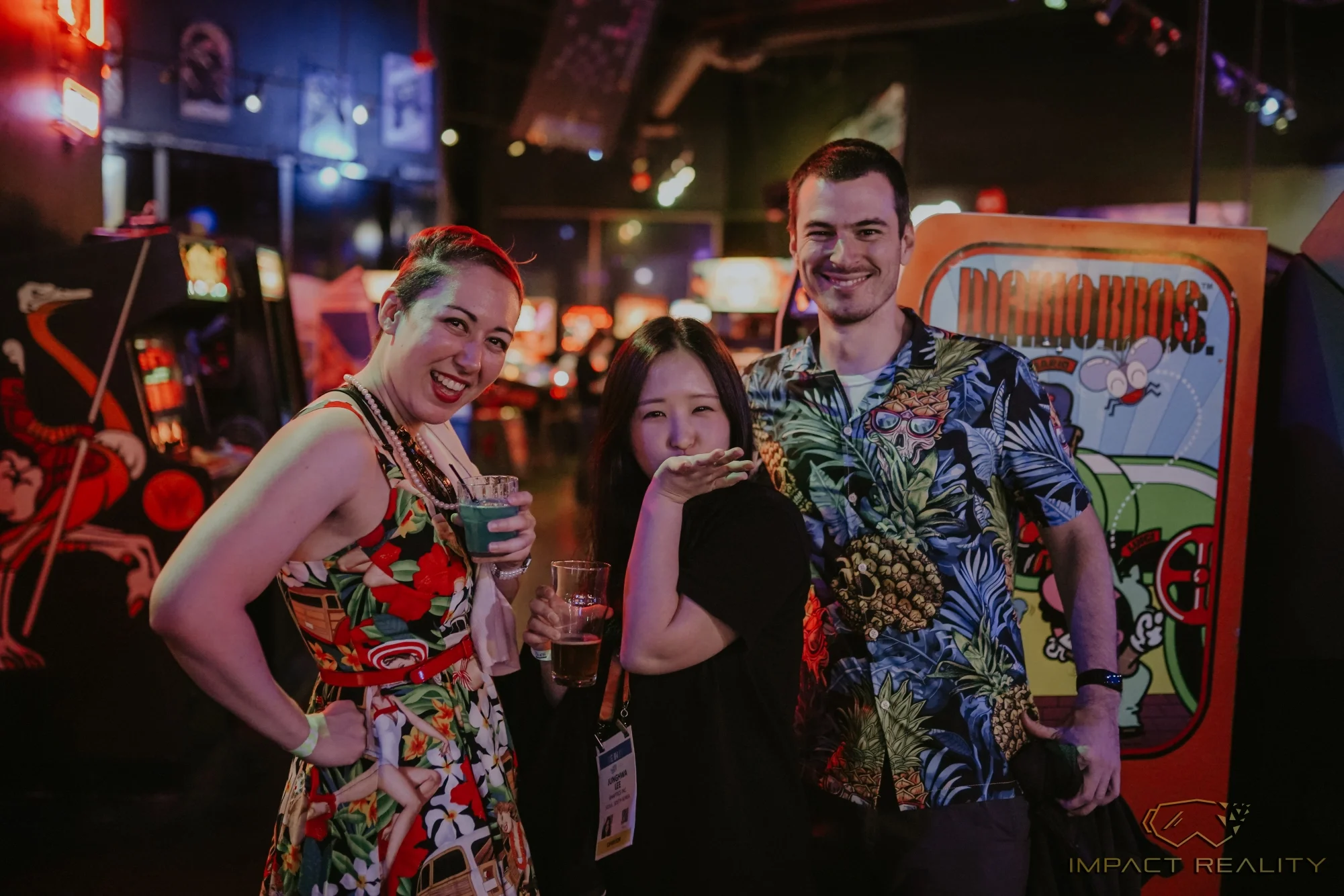
Afterparties where actual bonds are built
Hotel suite demos (often better access than convention floor)
Planting seeds in people's minds that you exist and what you're about
Getting out of the house and remembering why you do this
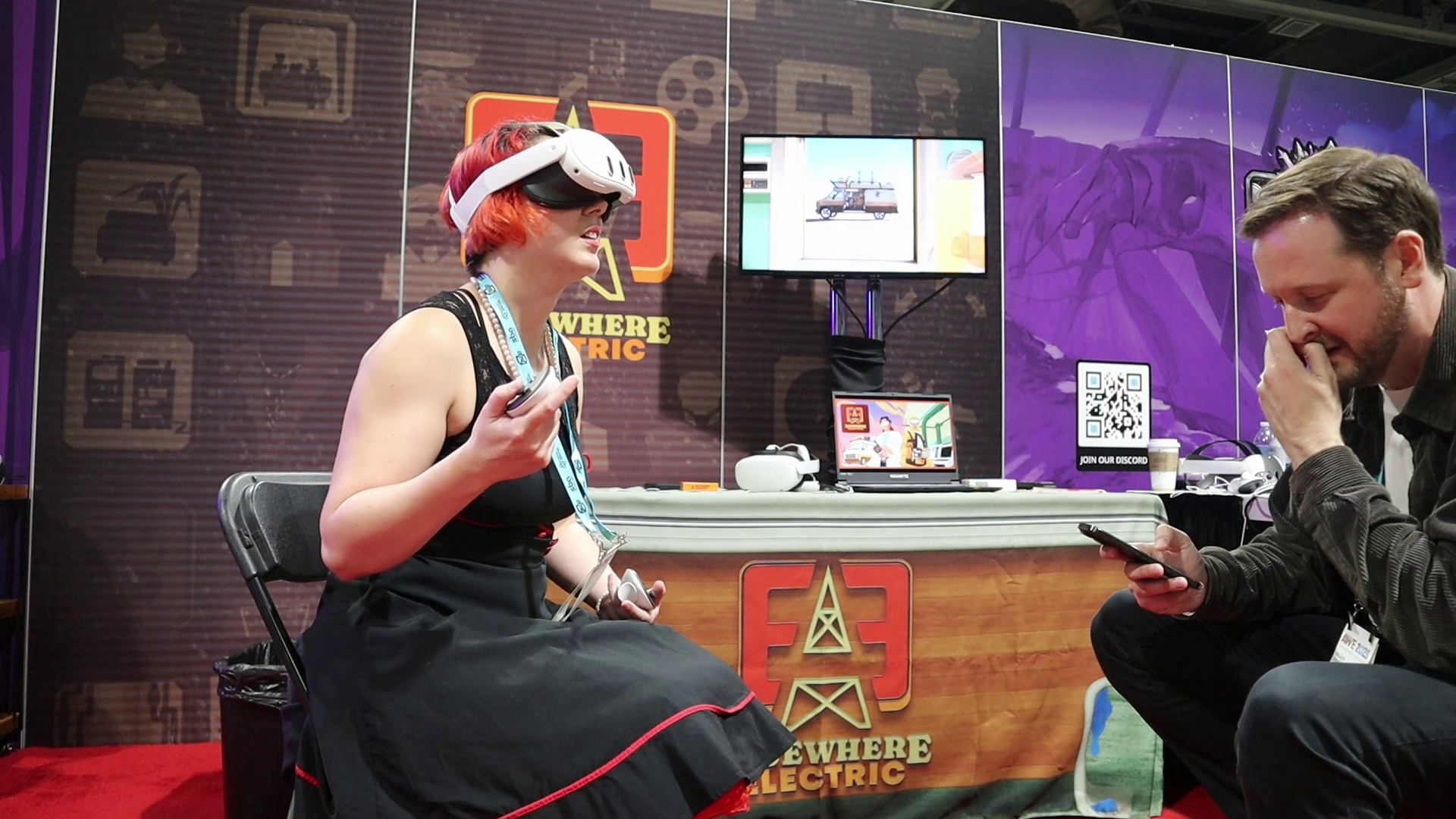
The content I create at events is secondary. The relationships are primary.
Even in years where I'm a little disappointed by the games or tech on display, what always makes it worth the cost is the afterparties and connecting with other people. That's where the real value lives.
When to Go vs When to Skip
GO - No question:
Event is local (no hotel/flight needed) → AWE is 15 minutes from me, so I just GO
You already have 3+ meetings scheduled before you arrive
You're speaking/on a panel
You have specific deals to close in person
PROBABLY GO:
You've built online relationships and can book meetings
You know other creators attending and can coordinate
You have realistic content goals (not just "I'll figure it out there")
You can afford it without stressing about money
PROBABLY SKIP:
You don't know anyone attending
You're hoping to "figure out networking" when you get there
The event isn't aligned with your niche (like CES for me some years - too broad)
You can't articulate specific goals beyond "networking"
SKIP - Save your money:
You can't afford it without going into debt
You have no plan for what you'll do there
You're going just because you feel like you "should"
The gut check: If you can't explain to someone why THIS specific event is worth YOUR time and money, you're not ready to go.
Why I Stopped Going to CES
CES is huge. Vegas is fun. There's exciting tech everywhere.
But:
It's everything-focused, not VR-focused
My audience expects VR content, not random consumer electronics
It's spread across multiple convention centers and hotels
Shuttle logistics are confusing
The VR stuff gets buried in the noise
It stopped being worth the cost. I was spending $2-3K to cover content my audience didn't care about. Now I skip it, even though Vegas is fun and you can make a vacation out of it. I may go back once in a while, but its definitely not an “every year” event for me.
The event might be cool, but does it serve your audience and goals?
Get Your Money's Worth If You Do Go
Before the event (2+ weeks out):
Schedule meetings with developers, creators, press contacts. Don't just hope you'll run into people—actually book time on calendars. Plan specific content: what games to cover, who to interview. Scour the show floor map for booths you want to stop by. Check the event schedule for any panels you may want to watch. Reach out to people you know attending and set up dinners or drinks. Book afterparty tickets. Make a backup plan if meetings fall through.
Go in with a plan and a backup plan.
During the event:
Prioritize hotel suite demos over crowded show floor. The best access often happens outside the convention center in private hotel rooms where developers are showing games to press and creators. Actually go to the afterparties, prioritize those that are VR specific (be safe!). Take notes on who you meet and what you discussed—you'll forget by day 3 otherwise. Don't just collect business cards. Have actual conversations.
Content is secondary to relationships. Yes, create content (of course). But if you're choosing between filming another demo or having drinks with a developer who might give you early access and future potential job opportunities, choose the developer.
After the event:
Follow up within 48 hours with personalized messages. Not "great meeting you!" but specific references to what you talked about. Share content you created and tag people. Add people on LinkedIn with context about how you met. Schedule follow-up calls for any potential partnerships.
Track what opportunities actually came from the event. Three months from now, when you get early access to a game, remember it started with a conversation at GDC.
The Timeline: When Events Actually Pay Off
Events don't pay off immediately. Here's the real timeline:
Week 1-2 post-event: Content goes live, initial social engagement
Month 1-3: Follow-up conversations turn into potential opportunities
Month 3-6: Early access codes, collaboration discussions, relationship building
Month 6-12: Actual sponsored content, partnerships
If you're expecting instant results, you'll be disappointed. The value compounds over months.
Some of my best opportunities came from people I met at events 6-12 months earlier. You're not going to GDC to get a sponsorship deal on the show floor. You're going to plant seeds that might grow into something months later.
Developers remember who showed up. They remember who they had good conversations with. They remember who followed up professionally. When they're looking for creators to partner with later, you're on the list because you invested in the relationship early.
When You're Actually Ready for Industry Events
Don't go to "start networking." Go when you already have a network to strengthen.
You're ready when:
You've built relationships online first (LinkedIn, X, Discord, email)
You can name 5+ people who will be there
You have realistic content goals and the skills to execute
You understand your value proposition (what you offer, not just what you want)
You can afford it without financial stress
You're not ready when:
You're hoping events will "launch your career"
You have no existing industry connections
You're not sure what you'd do there beyond "walk the floor"
You're going because you feel FOMO
Events amplify existing momentum. They don't create it from scratch.
If you don't have online connections yet, build those first. DM people on X. Join Discord communities. Comment thoughtfully on LinkedIn posts. Show up consistently in spaces where your industry already gathers. Then, when you meet those people in person at an event, it's not a cold introduction—it's continuing a conversation you've already started.
That's how you make events worth the cost. You're not starting from zero. You're deepening relationships that already exist—which is exactly the positioning approach we teach VR content creators in Module 4 of VR Content Lab.
Go in with a plan and a backup plan. If you can't articulate why THIS event is worth YOUR time and money, skip it and invest that $2K in something that moves your business forward.
The best events are the ones where you already know they'll be worth it before you buy the ticket. Everything else is gambling—and your business deserves better than that. Understanding when events serve your goals versus when they're just expensive distractions is part of building a sustainable creator business, which is what VR Content Lab teaches. It's a self-paced video course with a Discord community where you can connect with other VR content creators navigating these same decisions.
Check it out and enroll at vrcontentlab.com.
