How to Get Accepted Into VR Creator Programs (And What They're Actually Looking For)

I'm in a few creator programs. I’ve seen some behind the scenes on who gets chosen for certain programs, and I’ve also added creators myself to LIV Testers/Creators back when I worked for LIV. So how do you get into programs like this?
First, DISCLAIMER (especially for AAC and Finger Painter): I have zero say in who gets accepted. None. Can't get you in. Can't vouch for you. Can't check your application status.
But here's what I CAN tell you: most VR creator programs are mostly looking for very similar things. Understanding what those things are and how to present yourself makes a huge difference between getting accepted and getting rejected.
Why Creator Programs?
This isn't just about free cosmetics, though that's nice ofc. The real value comes from:
Early access to games and hardware before public release. You're creating content before everyone else can. That advantage drives views.
Exclusive in-game items and creator badges. These give you credibility. When viewers see creator badges, they know you're recognized by the game’s team.
Direct line to the team. Your feedback actually gets heard. Bugs you report may get prioritized. Feature requests get considered. You're not shouting into the void anymore.
Networking with other creators. Collaborations, shared knowledge, cross-promotion. Being in programs puts you in Discord channels and group chats with other creators doing the same work.
Possibly: Trips and events. Meta Connect. Company HQ visits, conventions like Vidcon. I've been to Meta in New York for a Civilization VR event because of MQCP and some exclusive afterparties/dinners.
The Universal Requirements
Check the Minimum Stats First
Some programs have follower and view requirements. Another Axiom wants 1K YouTube subscribers and 4K watch hours in the last 28 days. UG wants 25K views in 30 days for their Torch level.
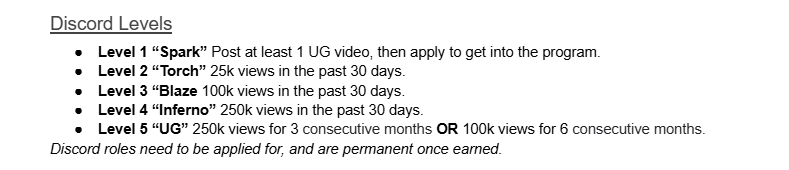
Example from UG’s ‘Firestarter’ program
Don't waste time applying if you don't meet minimums. Check the requirements first. Hit those numbers, THEN apply. Applying before you qualify just wastes everyone's time and potentially flags you as someone who doesn't follow directions/can’t read and makes you seems desperate (not a good quality).
Quality Over Quantity
Visual quality. Audio quality. Editing.
You don't need super expensive equipment or anything, but your content needs to look and sound intentional. Shaky footage, blown-out audio, terrible lighting - these tell others you don’t take your own content seriously. Programs are looking for creators who represent their brand professionally. If your content looks like you filmed it on a potato in a dark room with no audio editing, that's not going to cut it.
Clean framing. Decent lighting. Audio that doesn't hurt to listen to. Basic editing that shows you care about pacing and viewer experience. That's the bar.
Consistency and Clear Niche
Programs want creators who post regularly and have a clear angle.
Are you the tutorial person? The funny moments person? The modding person? The beginner-friendly guide creator?
Random meme posts with no theme don't stand out. If I look at your channel and can't immediately tell what you're about, programs won't know either. And if they don't know what you bring, they can't justify accepting you.
Figure out what makes your content different and lean into it. Own your niche.
Offensive Content
Just because something is trending doesn't mean it's safe to post. Know the origins of trends before you use them.
Programs will reject you for offensive content. When you're in a creator program, you represent their brand. They're not risking their reputation on someone who posts what they think is funny without knowing what it means.
This goes beyond obvious stuff. Edgy humor that walks the line, political content that could alienate parts of their community, anything that could be seen as insensitive, programs err on the side of caution. If there's any question about whether content could cause backlash, they'll reject you, or remove you.
Professional Presentation in Applications
When applications ask "why should we accept you," don't just link videos and say "I make good content and I love your game."
Explain what you specifically bring to their program!
Are you reaching an audience they're not tapping into? (Ex: "I create beginner-friendly Gorilla Tag tutorials in Spanish, reaching Latin American players.")
Do you create tutorials that fill gaps in their community? (Ex: "I noticed new UG players struggle with the xyz mechanics, so I created a beginner series that's gotten 200K views, proving there's demand for educational content in your community.")
Are you bringing a dedicated audience with you? (Example: "My 5K YouTube subscribers are active Gorilla Tag players who regularly ask me to cover new maps, I'd love to showcase your official content to my engaged audience.")
Make it clear how accepting you helps them grow their brand, not just how it benefits you. Programs get hundreds of applications. The ones that stand out show they've thought about mutual value, not just personal gain.
Additional tips
Build a Portfolio First
Programs want to see you can sustain output, not just create one viral video. Have a body of work before you apply.
If your channel has 3 videos and one of them got 100K views, that's not a portfolio, that's a lucky break. Programs can't evaluate consistency from that.
If your channel has 30 videos averaging 1.5k views each (for example), that's a portfolio. It shows you can consistently create content that performs.
Highlight Your Best Work
Most applications ask for your channel links, give them exactly what they request.
BUT if there's an optional field (like "anything else you'd like to add"), take advantage of it! Link to 3-5 specific videos you're most proud of.
"Here are examples of my work that best represent what I'd bring to the program:
Beginner tutorial that got 15K views and 200+ comments from new players: [link]
Advanced movement guide showcasing my editing and teaching style: [link]
Collaboration with [creator name] showing community engagement: [link]"
This saves them time digging through your entire channel to find your strongest content. Make it easy for them to see your value immediately.
What to Do If You Get Rejected
Getting rejected sucks. But it's not permanent!
Ask for Feedback
Some programs will tell you why you got rejected. "Not enough views." "Content quality needs improvement." "Application didn't show clear value proposition."
Use that feedback. It's free consulting on exactly what to fix.
Improve Your Portfolio and Reapply
Many programs have rolling applications. Getting rejected once doesn't ban you forever.
Fix what was weak. Build more content. Hit higher view counts. Reapply in 3-6 months with clear, measurable improvements.
"I applied last quarter with 10K monthly views and got rejected. I've since grown to 50K monthly views, added 15 new videos to my channel, and refined my brand to focus specifically on beginner tutorials. Here's why I'm a better fit now."
That's how you turn a rejection into an acceptance.
Focus on What You Can Control
You can't control selection. You can control:
Content quality: Better editing, better audio, better visuals. Invest in improvements that make your content more professional.
Consistency: Posting schedule, niche focus, visual identity. Build a recognizable brand.
Community engagement: Helping other creators, not just self-promoting. Being valuable in Discord servers and comment sections.
Channel presentation: How you explain your value in applications. Practice writing interesting pitches.
Work on those. The acceptance follows.
After You Get Accepted:
Getting in is one thing. Staying in is another.
Follow Program Guidelines
Every program has rules. Read them. Follow them. Don't assume you know what's allowed.
Violate guidelines and you're out. Programs have no problem removing creators who don't follow rules.
Maintain Your Activity
Most programs require ongoing content. UG requires monthly re-qualification with view thresholds, Another Axiom expects regular Gorilla Tag content.
If you stop posting, you may lose benefits. If you pivot to different games entirely and abandon the content that got you accepted, you might lose your spot.
Staying in requires staying active.
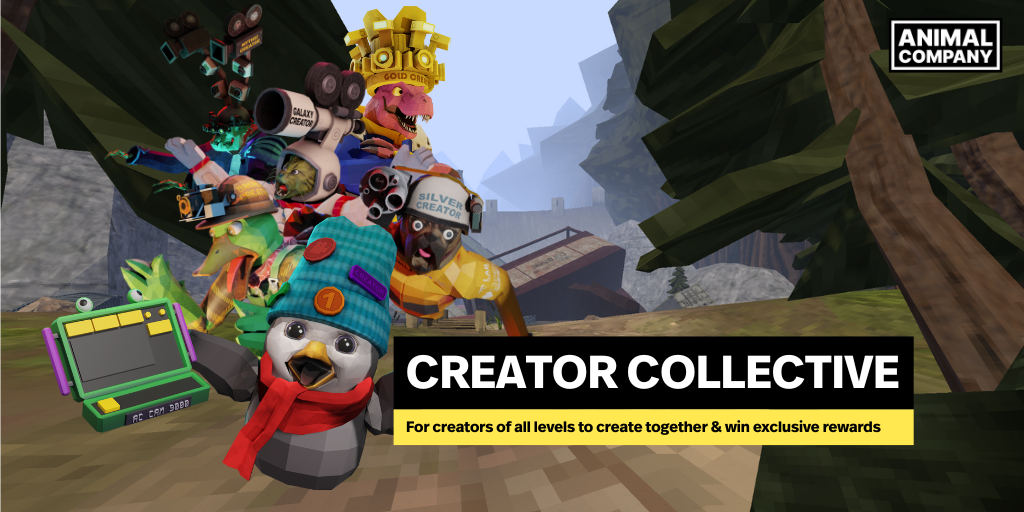
Represent the Brand Professionally
You're not just a creator anymore. You're a program member. Your conduct reflects on them.
No offensive content. No public drama with other creators or community members. No breaking terms of service or exploiting glitches for content. Professionalism matters.
One controversial post can get you removed. Programs have removed creators for conduct issues even when those creators had massive followings. Brand safety comes first.
Leverage Membership for Growth
Use creator badges in your videos and thumbnails. Mention program membership in your bios. Collaborate with other program creators - being in the same program is an instant connection point.
Access exclusive content early and create coverage before everyone else has access. That first-poster advantage drives views.
Being in a program opens doors. Use them. Network with other members. Attend program-specific events. Build relationships with the game’s team.
The badge itself has value, but the opportunities that come from being in the ecosystem are worth more - which is exactly the kind of strategic thinking we teach in VR Content Lab about positioning yourself for long-term opportunities, not just short-term wins.
Creator programs aren't lottery systems where you apply and hope for the best. They're looking for specific things: consistency, quality, clear niche, professional presentation, and demonstrated value to their community.
You don't need massive follower counts. I got into Meta Quest Creator Program with under 7K subscribers on Youtube. You need unique positioning and proof you can deliver value.
Build your portfolio. Hit minimum requirements. Apply with a clear value proposition. If rejected, improve measurably and reapply!
Understanding how to position yourself for creator program acceptance and how to leverage that acceptance for long-term career growth is part of what we teach in VR Content Lab. It's a self-paced video course with a Discord community where you can connect with other VR content creators navigating these same decisions and building sustainable opportunities in the VR industry.
Check it out and enroll at vrcontentlab.com.
